Hills, hub motors and mid-drives, and how to tell which one your route needs
Shantell's Music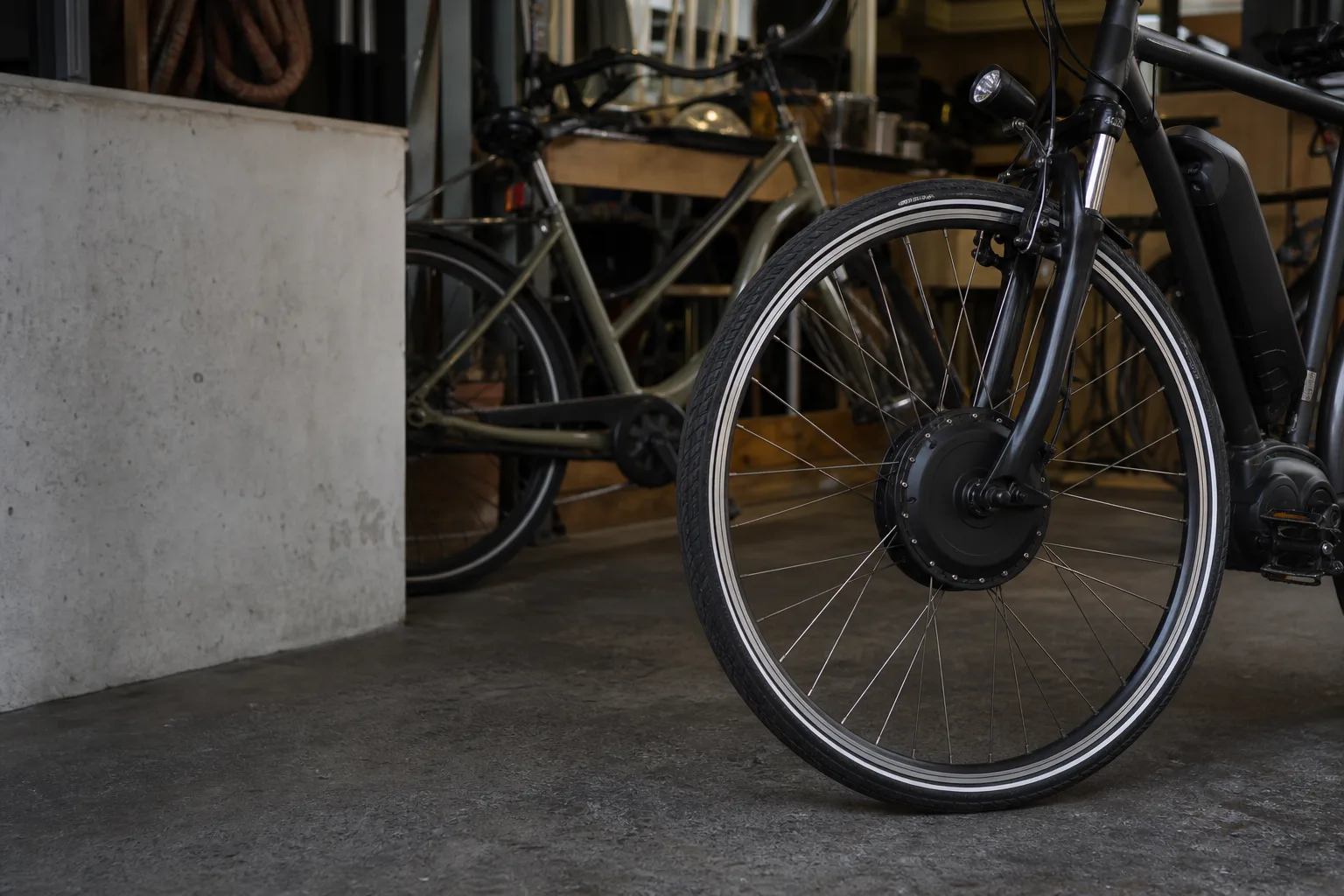
Ride the same half-mile climb on a hub-drive bike and a mid-drive one, back to back, and the difference stops being a spec argument within about thirty seconds. The hub motor pushes from behind at whatever it can manage in that moment, and if the grade steepens it either holds on or slowly gives up, because it has one gear and that gear is the wheel. The mid-drive sits at the cranks and runs its power through the chain and cassette, so downshifting gives the motor an easier gear too. That single structural fact drives most of what follows.
What each one does on a real grade
On flat ground and gentle rollers, a good rear hub motor is quiet, unfussy, and nearly invisible, which is why so many commuter bikes use one. Problems show up on sustained climbs, where a hub motor gets pulled below its efficient speed and starts turning current into heat rather than forward motion; you feel it as a soft fade, and on a long grade you may smell it before the controller pulls back. A mid-drive climbing the same road stays in its comfortable rpm because you shifted, so it keeps pulling steadily at three or four miles per hour. If your regular route has a grade that lasts more than a couple of minutes, that is the deciding test, and it is worth riding rather than reading about.
Torque sensing versus cadence sensing
The sensor matters more than most buyers expect, and it is often buried three lines down a spec sheet. A cadence sensor only knows whether the cranks are turning, so it delivers a preset amount of help after a short delay, which feels like a hand shoving you forward a beat after you start pedaling and continuing until you stop. A torque sensor measures how hard you are actually pushing and scales assistance to that, so the bike amplifies your effort instead of replacing it; starts are smoother, low-speed maneuvering in a parking lot is far more controllable, and battery use tends to track how hard you are working. Riders with a stiff hip or a knee that dislikes sudden load usually prefer torque sensing for exactly that reason. Ask which one the bike uses, and if the answer is vague, ask the shop to let you start from a stop on a slight rise.
What the drivetrain costs on a mid-drive
Running motor power through the chain means the chain, the cassette, and the chainring all see loads a human alone would never apply, and they wear accordingly. A careful buyer plans on chains more often than on an unassisted bike, and accepts that a chain left too long will take the cassette with it, turning a modest part into a larger one. Shifting technique changes too: ease off the pedals for a moment as the chain moves, or back off the assist level, because shifting under full motor load is how chainrings get chewed and derailleur hangers get bent. Hub motors sidestep all of this, since their drivetrain only carries leg power, though they put more strain on spokes and make rear flats a slower job. Neither situation is unmanageable; both are worth pricing before you buy, alongside brake pads and tires.
The class ratings that decide where you can ride
Three-class systems now cover most of the country, and they turn on two things: whether the motor helps without pedaling, and where assistance stops. Class 1 is pedal assist to twenty miles per hour, Class 2 adds a throttle at the same cap, and Class 3 is pedal assist to twenty-eight with a speedometer required. Paved trails, park systems, and campus paths frequently allow the first two and exclude the third, so the number on that sticker determines your actual route options, not just your top speed. The Consumer Product Safety Commission oversees the federal product rules for low-speed electric bicycles, while access rules come from your state and from whoever manages the path. Check the sticker on the frame, confirm it matches the manual, and check your local land manager's posted rules before you commit.
The honest way to settle this is a test ride on your own worst hill, at your own pace, with the assist set where you would actually leave it. Bring the questions about sensor type, class rating, and expected chain intervals, and write the answers down while the shop is still in front of you.